
Search Smith County Released Inmates
Smith County Released Inmates searches start in Carthage, where the sheriff and jail serve a minimum to maximum security facility and an online inmate roster is available. The county research points to a local record trail that includes booking dates, charges, and bond information, so the first pass should stay close to the jail and the County Mayor. Smith County also has several communities to keep straight, including Carthage, Gordonsville, South Carthage, and Lancaster, which makes a county-first approach the cleanest way to identify the right release record.
Smith County Quick Facts
Smith County Released Inmates Search
The best local place to start with Smith County Released Inmates is the jail roster in Carthage. The research says the facility is at 322 Justice Drive, that it is a minimum to maximum security jail, and that the roster is available online. Those facts matter because they tell you the county already maintains a direct public custody trail. A Smith County Released Inmates search should use that trail before any broader state lookup is needed.
The roster content is also unusually useful. The research identifies the fields as name, booking date, charges, and bond information. That means the local search is not just a name check. It can show why the person was booked, whether bond was set, and what stage the county case had reached. For released-inmates work, that is the exact kind of county record detail that helps separate an actual release from a transfer or another short county stay.
Smith County also gives the searcher a clear local contact path. Sheriff Ronnie Lankford and the jail are the first county contacts, and the jail can also help with visitation and commissary questions. Because the roster is online, a person looking for Smith County Released Inmates can often start with the county site, then follow up by phone if the booking record needs confirmation or the release date is not obvious from the roster alone.
That local order matters in Smith County because the county seats, jail address, and public-records coordinator all sit in the same Carthage record trail. The county page should stay anchored there until the record itself tells you to widen the search.
- Full legal name and any alternate spelling used locally
- Approximate booking or release date
- Any bond amount, charge description, or booking date already known
- Whether the person is likely still in county custody or already released
Smith County Jail And Records
The jail address is 322 Justice Drive, Carthage, TN 37030, and the county asks people to mail inmate correspondence to Inmate Name, Smith County Jail, 322 Justice Drive, Carthage, TN 37030. That address is useful because it confirms the detention trail is centered in Carthage rather than spread across a separate city system. If the question is about current status, the jail is still the most direct county contact. If the question is about a past release, the same office helps establish which booking event to follow.
Smith County also makes room for direct jail follow-up. The research says visitation and commissary questions go through the jail, which is a practical clue for anyone trying to verify a release or a housing move. In a county with an online inmate roster, the jail still matters because roster entries can change faster than a third-party summary can keep up. A Smith County Released Inmates search is stronger when the roster and the jail phone number are used together.
The county mayor records route is the other important local piece. Public records requests go in person or by mail to the County Mayor, who serves as the Public Records Coordinator. The office is County Mayor Jeff Mason at 122 Turner High Circle, Carthage, TN 37030. That matters when the roster does not answer the entire question, because some Smith County Released Inmates searches need a county records follow-up after the jail confirms the basic booking information.
Using the county mayor and the jail together keeps the search local and specific. The jail handles custody information, while the mayor-led records office is the county path for formal public records requests. That division is useful because it tells you where to go when you need a release record, a booking trail, or a copy of something that is not already obvious in the roster.
Smith County Released Inmates State Follow Up
If the local Smith County trail suggests that the person moved into state custody, the next step is Tennessee FOIL. FOIL is the official Felony Offender Information Lookup system and it is the best state follow-up for Smith County Released Inmates once the county roster and jail have already been checked. It is useful when the county booking ends and the question becomes whether the person is now in TDOC custody, on parole, or already released from a state facility.
The FOIL search page gives Smith County researchers a clean statewide lookup when the county trail no longer explains the full release record.
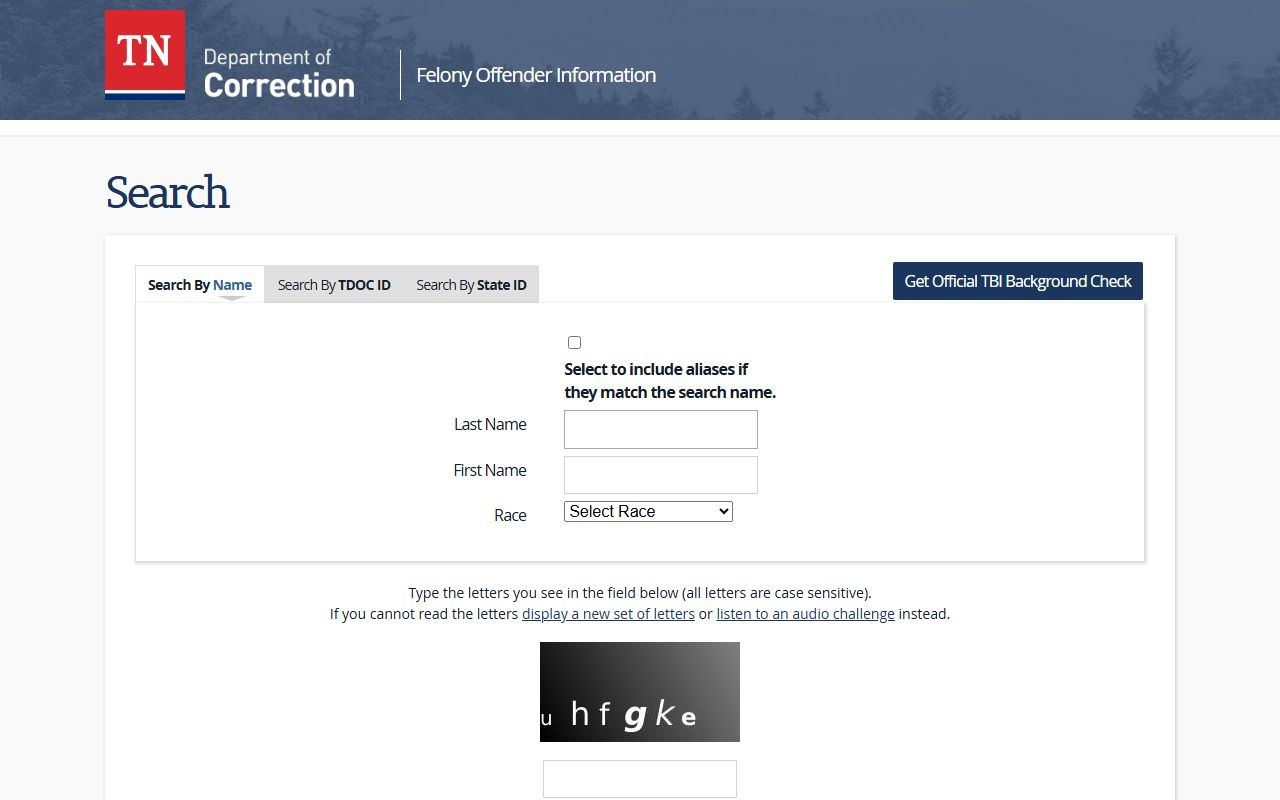
That state source works best after the Carthage jail record has already been checked and the release question still needs a broader Tennessee answer.
The second statewide layer is the TBI criminal-history page. That resource is useful when a Smith County Released Inmates search turns into a statewide criminal-history question instead of a narrow custody question. It is not the first stop, but it can help confirm the broader background trail after the county roster has done its part.
The TBI page is the other official follow-up source for Smith County Released Inmates when the county record needs broader statewide context.
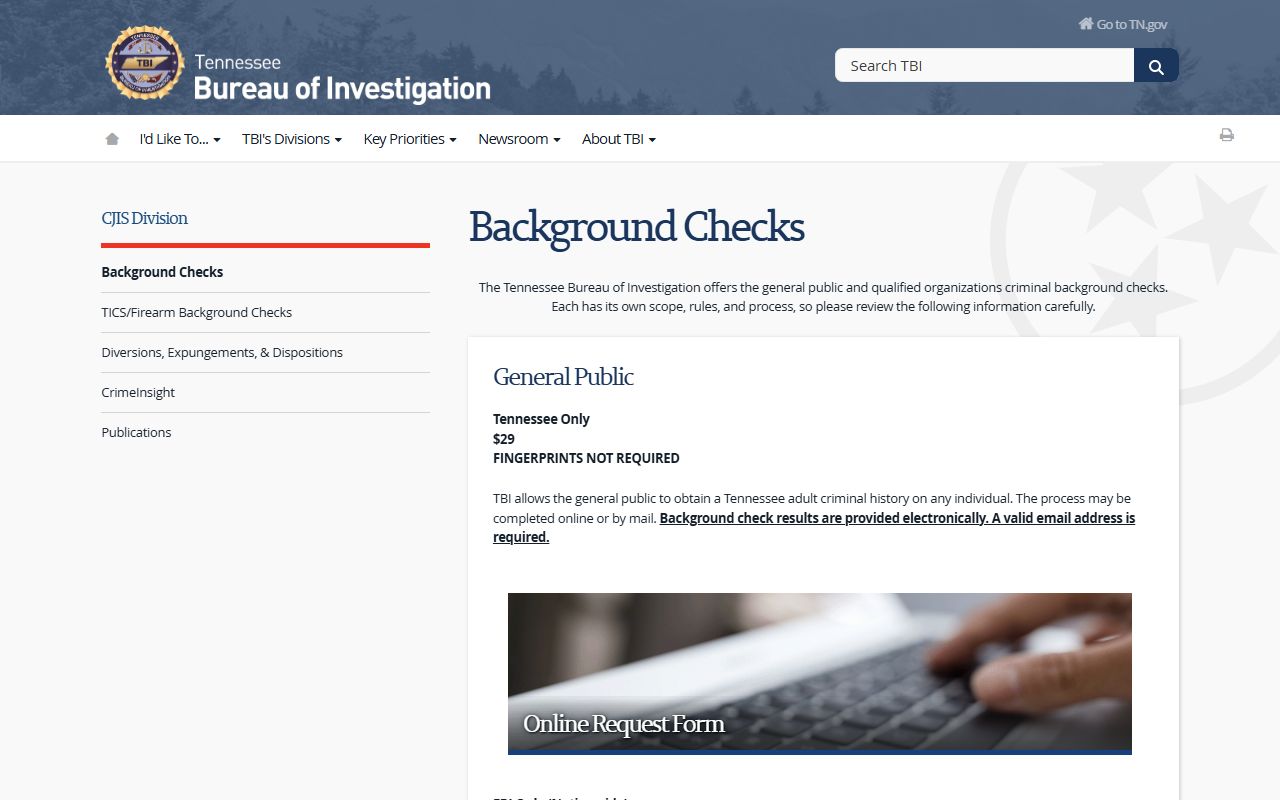
That state layer helps only after the local roster and jail contact have already narrowed the county record to the right person.
Smith County Public Access
Smith County Released Inmates searches are easiest when they stay grounded in the county offices at Carthage. The online roster handles the first custody check, the jail handles follow-up questions, and the County Mayor handles the formal public-records route. That is a complete local path, which is why a Smith County search should not be widened too soon. The more the question stays tied to the county booking details, the better the local result usually is.
The county seat and the other named places in the research, Carthage, Gordonsville, South Carthage, and Lancaster, matter because they remind the searcher that this is a local records problem, not a generic statewide one. If the person was booked in Smith County, the local roster will often answer the first question quickly. If the record has already moved beyond county custody, FOIL and TBI are the right follow-up tools.
County public access also matters because the record itself is specific. The roster shows name, booking date, charges, and bond information, which means the search can stay on the actual event rather than on a broad name match. That is especially important when more than one person shares a similar name. A Smith County Released Inmates search becomes clearer when you keep the local booking date and bond details in view.
When the county offices do not yet answer everything, the Tennessee Public Records Act still shapes the response process. The public-records coordinator, County Mayor Jeff Mason, is the office to use when you need to ask for a copy or a formal search of county-held records. That is the practical final step before the statewide resources come back into play.