
Moore County Released Inmates
Moore County Released Inmates searches should begin in Lynchburg with the sheriff, county jail, and county public-records route, then move into FOIL and TBI only if the local detention trail stops answering the question. The county web domain in the raw check did not resolve cleanly, so this page stays anchored to the documented sheriff, jail, and county records contacts from the research. That keeps Moore County Released Inmates local, careful, and useful.
Moore County Quick Facts
Moore County Released Inmates Search
The local starting point for Moore County Released Inmates is the sheriff and jail at 58 Elm Street South in Lynchburg. The research identifies sheriff Tyler Hatfield, a small local jail, and a county records path that runs through 196 Main Street. Those details matter because Moore County Released Inmates is one of the clearest county-first pages in the project. The county is small, the detention trail is direct, and the local record should lead.
The same research says the jail can provide bond information, release information through records, and current policy guidance by phone. That means Moore County Released Inmates does not depend on a large public web portal. It depends on a local sheriff, a local jail, and a local records route. That is still enough to answer a release question when the search stays narrow and county-first.
That county-first structure also fits the scale of the county. Moore County does not need a large online roster to remain useful. A small jail, a direct sheriff contact, and a county records office can still answer the release question when the searcher has the right local facts. That is why Moore County Released Inmates should stay with the Lynchburg county trail first. It is the path that keeps the search tied to the actual detention event instead of drifting into generic state records too early.
These details usually improve a Moore County Released Inmates request:
- Full legal name and alternate spellings
- Approximate booking or release date
- Any bond or charge detail
- Whether the person stayed local or moved onward
Moore County Jail And Records
Moore County Released Inmates often depends on the county records route after the first jail answer. The research identifies county records at 196 Main Street #404 in Lynchburg, with a seven-business-day response window and Tennessee-resident access rules. That matters because a release question can quickly become a county records request once the sheriff or jail confirms the local detention event.
The county route also matters because Moore County is small enough that one local path handles most of the work. A searcher is not balancing several detention centers or several city systems. The jail, records office, and court information all stay close to Lynchburg. That county-first order makes Moore County Released Inmates easier to verify and less likely to drift into broad filler.
It also helps when the first jail answer is short. The sheriff can confirm local custody. The records route can supply the next formal detail. Then FOIL can answer only what remains if state custody entered the picture. In Moore County, that order gives the cleanest and most local answer.
Note: Moore County usually becomes clearer once the Lynchburg jail and county records route are both checked.
Moore County Released Inmates State Follow Up
After the Lynchburg county trail, the next step for Moore County Released Inmates is Tennessee FOIL. FOIL matters when the county booking appears to have moved into state custody or when the local detention trail no longer explains the later custody path. It should follow the county search, not replace it.
The FOIL page is the first image-backed state source available for Moore County Released Inmates once the local sheriff and records route have already narrowed the search.
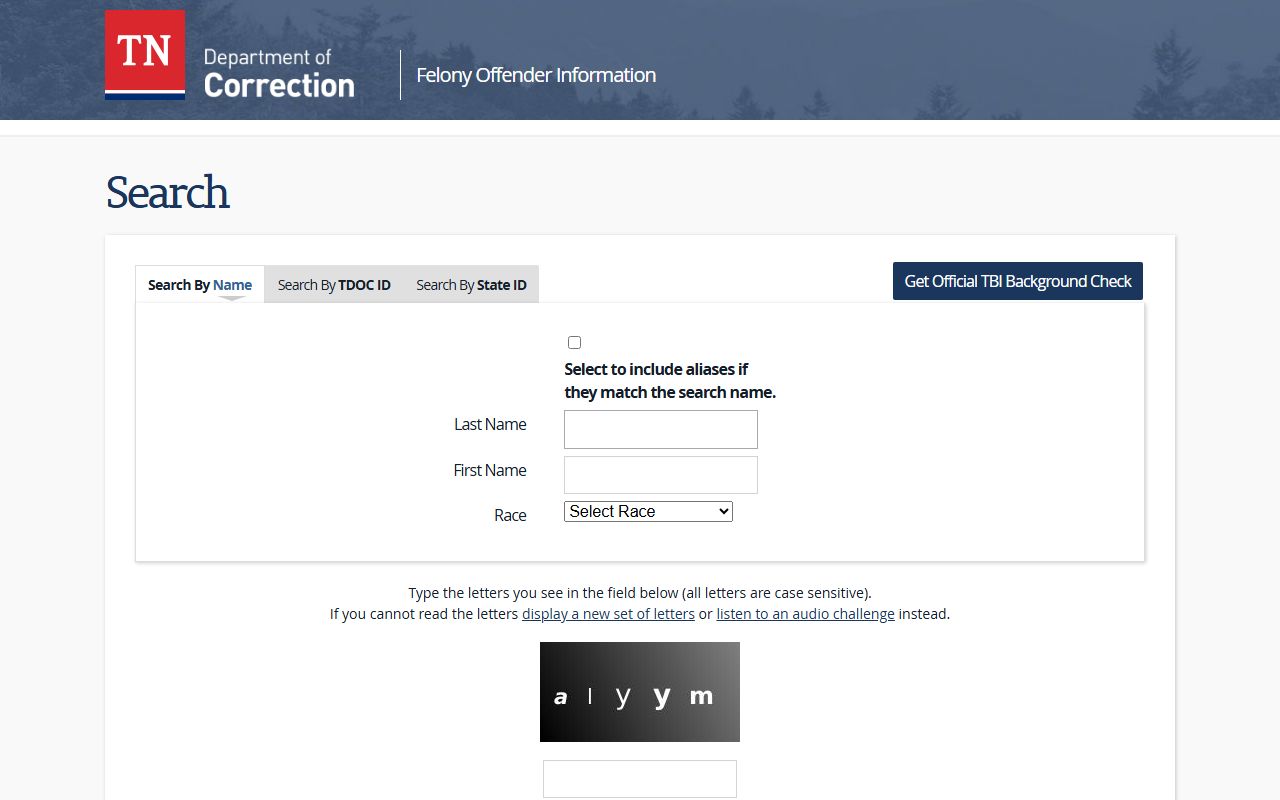
That state source belongs later because the county detention trail should still lead first.
The broader statewide layer is the TBI criminal-history page. It helps when Moore County Released Inmates becomes a wider records question instead of a direct custody check. Tennessee access law under T.C.A. § 10-7-503 still shapes the local route, but county detention and county records should remain first.
The TBI page is the second image-backed state source for Moore County Released Inmates when the county path has already done its local work.
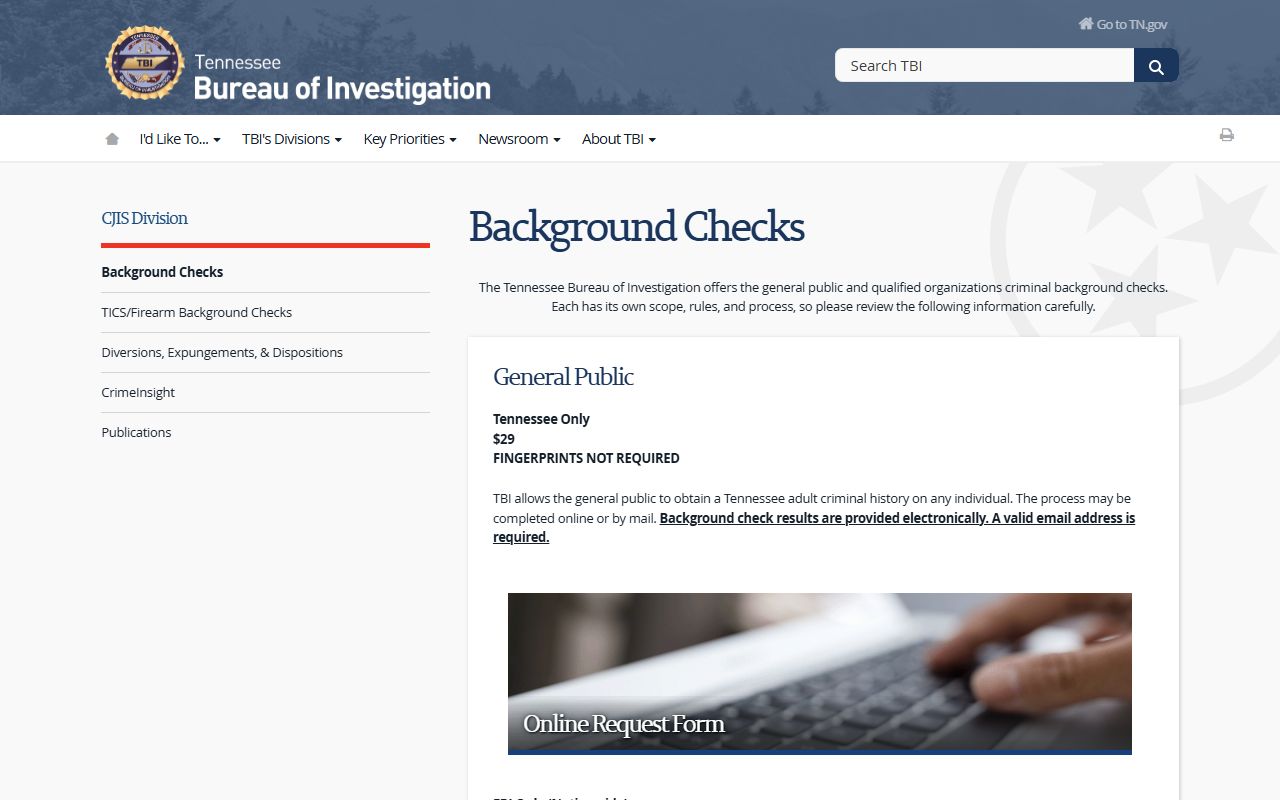
That broader state check should come after the local search, not before it.
Moore County Public Access
Moore County Released Inmates searches work best when they stay centered on Lynchburg. That is true because the county is small and the detention and records route still comes back to one local system. The sheriff and jail can answer the first custody question. The county records route can support the next request. Then the state tools can answer what remains.
That local-first order also fits a county where the jail is limited in size but still clear in role. Moore County Released Inmates becomes more precise because the search stays local long enough to gather the key facts before it widens into state tools. That is the safest way to handle the county record.
That same small-county structure also helps when the first answer is short. The sheriff can confirm the local detention event. The county records route can answer the next formal question. Then FOIL can answer only what remains if state custody became relevant. Moore County Released Inmates stays more accurate because one local route does most of the early work before the search widens.
Moore County is one of the clearest places to avoid generic online assumptions. The research does not support a rich public jail portal, and the county web domain did not verify cleanly, so the useful path is still the local one: sheriff contact, jail contact, and county records in Lynchburg. That is not a weakness. It is the real county process. Moore County Released Inmates should reflect that reality instead of pretending a bigger digital system exists.
That direct path also helps when a search begins with only a name and a rough date. In a small county, the local offices are often closer to the actual detention event than a broad statewide database. The county jail can sort out whether the person was held locally. The records route can handle the next formal request if needed. Moore County Released Inmates becomes more trustworthy when it stays honest about the county's size and uses the local route the research actually supports.
The county trail should stay in Lynchburg first.
It fits Moore County best.