
Marshall County Released Inmates
Marshall County Released Inmates searches should begin in Lewisburg with the sheriff, jail, and county public-records policy, then move into FOIL and TBI only if the local trail stops answering the question. The research for Marshall County is strong on sheriff leadership, jail staffing, medical support, records coordination, and the county website. That gives Marshall County Released Inmates a real county-first structure before any state follow-up needs to be opened.
Marshall County Quick Facts
Marshall County Released Inmates Search
The local starting point for Marshall County Released Inmates is the sheriff path in Lewisburg, supported by the county site at marshallcountytn.gov/sheriff-s-department. The research identifies sheriff Billy Lamb, jail administrator Sabrina Patterson, records clerk Kay Richards, and a records contact through Lynn Kouba. That matters because Marshall County Released Inmates has a real local detention and records structure, not just a loose jail reference.
The jail research also identifies a new facility capacity around 283 adult inmates, twenty correctional officers, work release for eligible inmates, medical and dental care, and housing by security status. That gives Marshall County Released Inmates a strong county detention path. A searcher can begin with the Lewisburg jail trail and then move into the county records side only if the first answer is too thin.
These details usually improve a Marshall County Released Inmates request:
- Full legal name and alternate spellings
- Approximate booking or release date
- Any charge, bond, or inmate identifier
- Whether the person stayed in county custody or moved on
Marshall County Jail And Records
Marshall County Released Inmates often depends on the county records side after the first jail answer. The research identifies records coordination through Lynn Kouba and the county site also exposes a public records policy. That matters because a release question can turn into a county records request once the sheriff or jail confirms the local detention event.
The same research says the county serves Lewisburg, Chapel Hill, and Cornersville. Those place names may shape the background of the case, but the detention and records trail still returns to the same Marshall County system. That county-first order makes the page more useful. It keeps the search centered on the office that handled the custody event and the records that followed it.
That local-first order also helps because the county has defined jail staffing and records staffing. One office can confirm the detention side. Another can help with the records side. Then FOIL can answer only what remains if state custody entered the picture. In Marshall County, that order gives a stronger answer than a statewide search opened too soon.
It also helps when the first clue comes from a smaller city in the county. A Chapel Hill or Cornersville arrest story still returns to the same Lewisburg detention and records trail. Marshall County Released Inmates is easier to verify because the county path remains consistent even when the background location changes.
Note: Marshall County usually becomes clearer once the Lewisburg jail and county records trail are checked together.
Marshall County Released Inmates State Follow Up
After the Lewisburg county trail, the next step for Marshall County Released Inmates is Tennessee FOIL. FOIL matters when the county booking appears to have moved into state custody or when the local detention trail no longer explains the later custody history. It should follow the county search, not replace it.
The FOIL page is the first image-backed state source available for Marshall County Released Inmates once the county sheriff, jail, and records route have already narrowed the search.
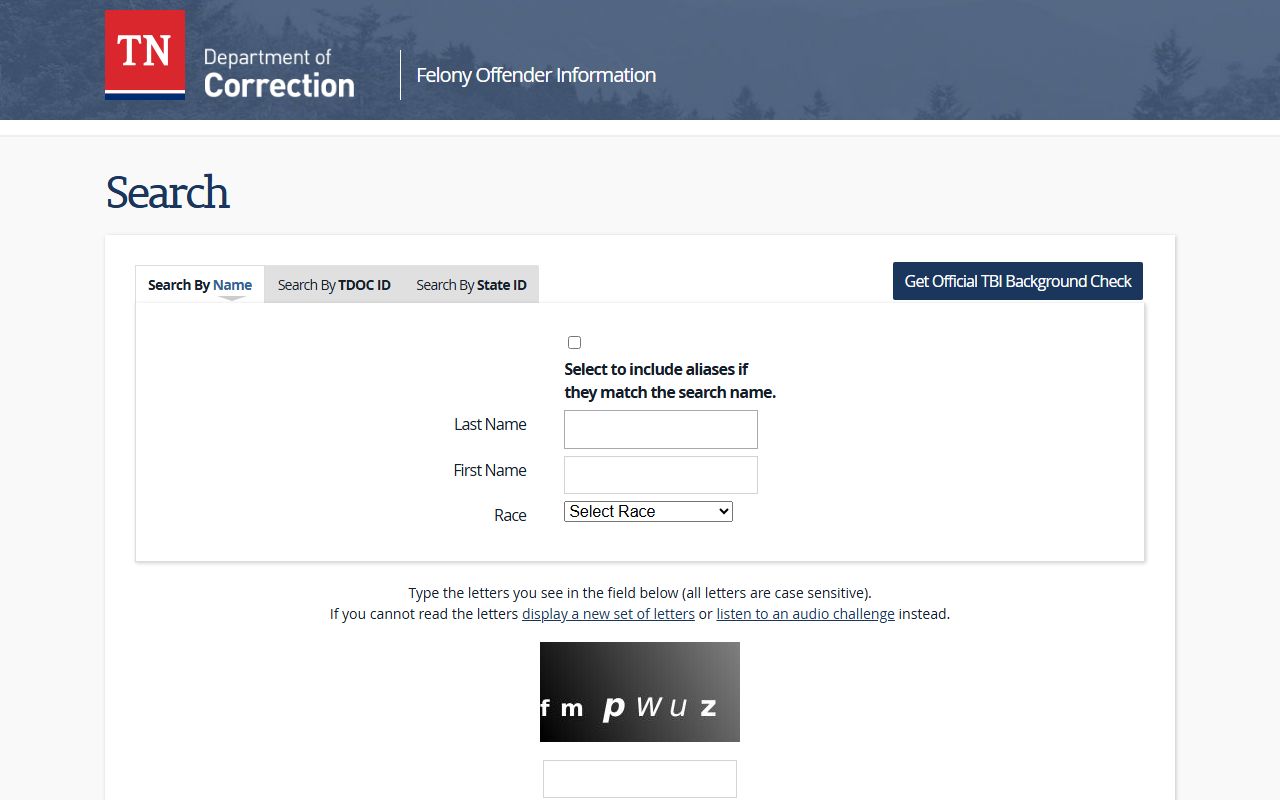
That state source belongs later in the process because the county trail is strong enough to lead first.
The broader statewide layer is the TBI criminal-history page. It helps when Marshall County Released Inmates turns into a wider record search instead of a direct custody check. Tennessee access law under T.C.A. § 10-7-503 still shapes the county route, but the local records path should remain first.
The TBI page is the second image-backed state source for Marshall County Released Inmates when the county record has already done the local work.
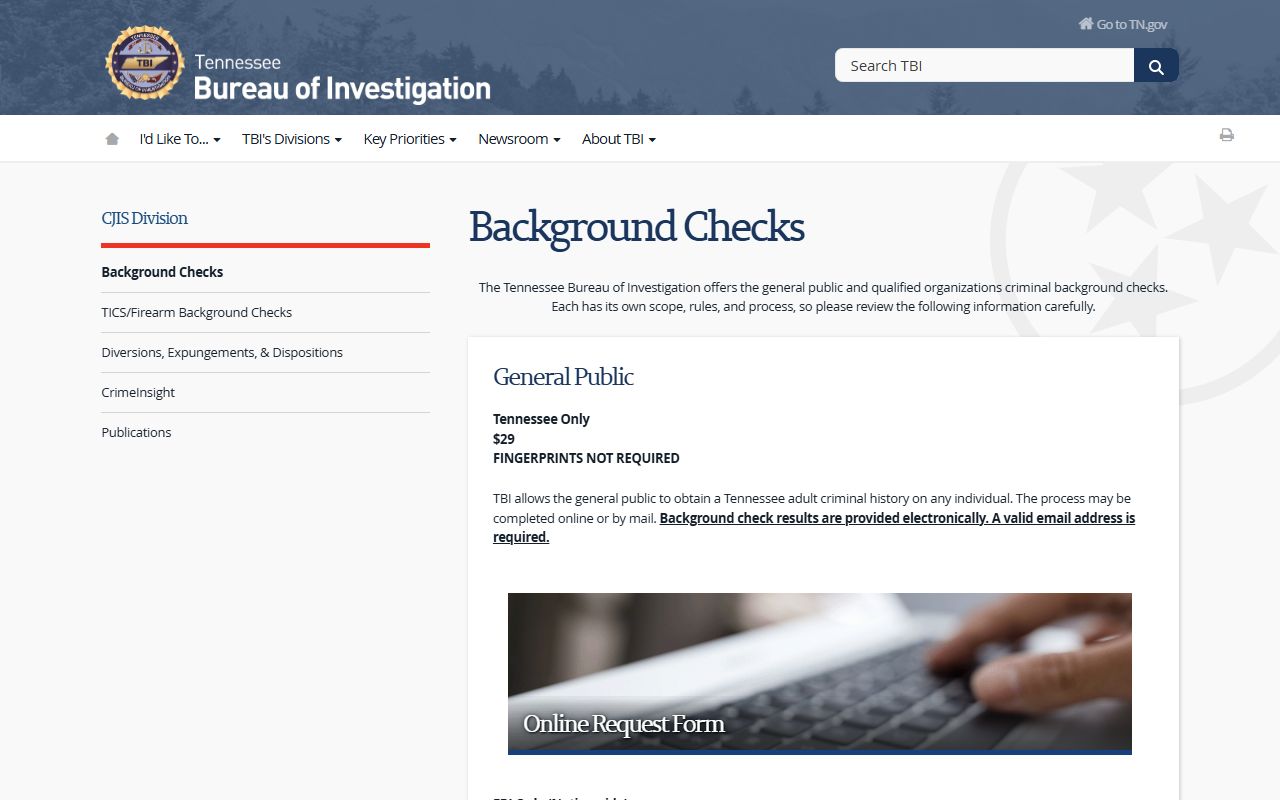
That wider records step belongs after the county search, not before it.
Marshall County Public Access
Marshall County Released Inmates searches work best when they stay centered on Lewisburg. That remains true even when the first clue comes from Chapel Hill or Cornersville, because the detention and public-records route still come back to the same county system. The jail can answer the first custody question. The records route can support the next request. Then the state tools can answer any later custody step if one exists.
That local-first order is what keeps Marshall County Released Inmates specific and useful. The county site, sheriff route, jail contact, and public-records policy already provide a solid county framework. The search should stay with that framework long enough to gather the right local facts before it widens into state tools.
That same county structure also helps when the first answer comes from jail staff and the second answer needs records staff. Marshall County can split those two steps cleanly. The detention side can confirm local custody. The records side can confirm the paper trail. That is why the county route should stay first for Marshall County Released Inmates.
It also helps when a release question begins with a city clue instead of a county clue. Chapel Hill and Cornersville still feed the same county detention and records trail. A Marshall County Released Inmates search is more accurate when those smaller local details are treated as context and the county route still leads the search.
That county-first structure matters because Marshall County has a jail, a records route, and a county public-records policy that all support the same local trail. A searcher can begin with the Lewisburg jail, follow with the records contact, and then widen into FOIL only if the custody path truly left county control.
That same local route is useful when the first answer is thin but not empty. The jail can confirm local custody. The public-records policy can support the next request. Then FOIL can answer any later state step if one exists. Marshall County Released Inmates stays more accurate when those county steps are taken in order.
It also helps because Marshall County has several real local touchpoints instead of one narrow source. The jail, sheriff route, records contact, and county policy each answer a different part of the same release question. Used together, they keep the search grounded in Lewisburg and reduce the chance of widening too early into a state-only answer.
The county trail should stay in Lewisburg first.
It fits Marshall County best.